
Cocopeat for Plants: Uses, Benefits and the Mistakes to Avoid
Understand what cocopeat does, where it belongs in potting mix and why it is not complete soil by itself.
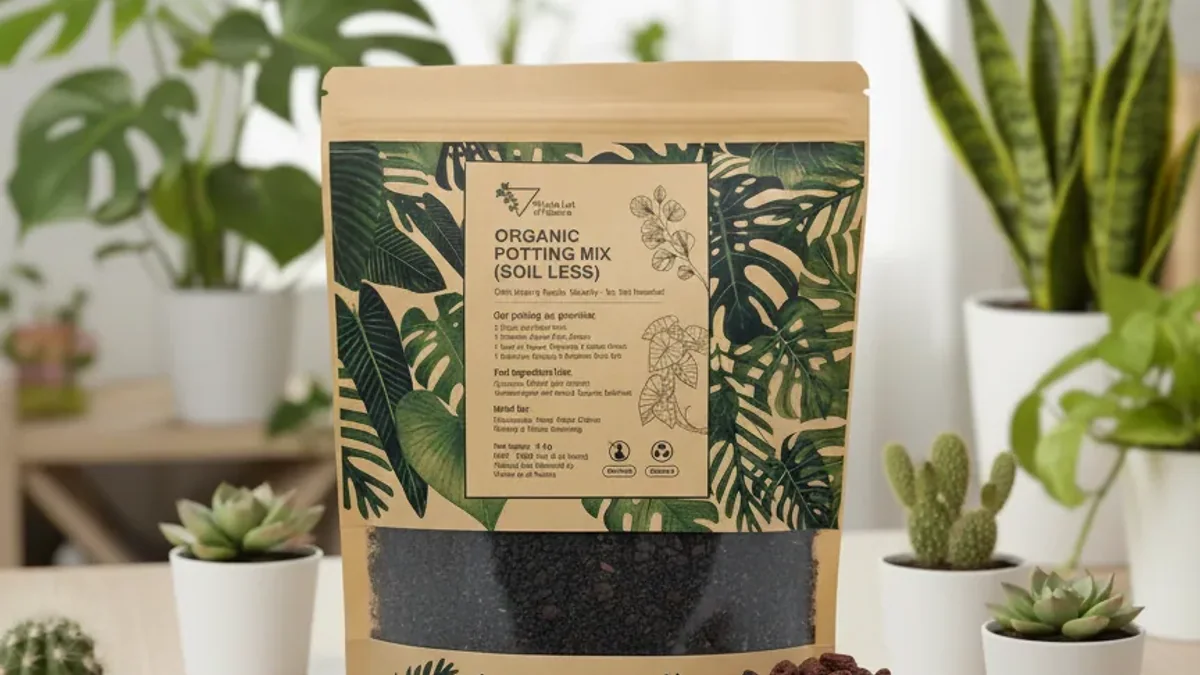
Quick answer: Cocopeat holds water and helps keep a mix light, but it supplies little nutrition and can stay too wet when used heavily. Rinse or buffer products when required, combine coir with compost and structural aeration, and adjust the ratio to the crop.
What cocopeat contributes
- Fine coir retains moisture.
- Coarser coir chips preserve larger air spaces.
- Compressed blocks must be expanded evenly before measuring.
Where it works
- Seed-starting blends use fine, clean material.
- Tropical foliage mixes use coir with bark and mineral aeration.
- Hot balcony containers may benefit from measured moisture retention.
Where to reduce it
- Succulents in humid weather need faster drying.
- Poorly ventilated indoor pots stay wet longer.
- Salt-sensitive seedlings need quality-controlled material.
Common mistakes to avoid
- Using pure cocopeat as permanent soil
- Adding fertiliser before checking root health
- Ignoring product salinity and particle size
What to do next
- Measure your light or inspect the affected plant.
- Check roots, drainage and moisture before buying a treatment.
- Choose one correction and document the result.
Frequently asked questions
Is cocopeat organic?
It is plant-derived, but certification and processing claims vary.
Does cocopeat contain nutrients?
Only limited amounts; plan nutrition separately.
How much should I add?
Start with the needs of the plant and test how the pot dries.
Shop with soil fit: Shop balanced potting mixes.
Recommended for this guide
Hand-picked essentials matched to this guide, delivered with soil-fit care support.

Low-Tech Aquarium Plant Trio

Brahmi Herb Garden Starter Kit

Beginner Pothos + Soil Starter Kit
Keep reading
Related plant guides
Planted Tank Secrets: How Snails Save Your Aquatic Plants from Melting
When new aquatic plants melt, amateur hobbyists panic. Discover how Ramshorn and Nerite snails act as natural biological filters to salvage your aquascape.
Ayurvedic Biophilia: How Growing Tulsi and Brahmi Alters Your Indoor Micro-Climate
Holy Basil (Tulsi) and Indian Pennywort (Brahmi) are more than therapeutic herbs. Explore the science behind their biophilic volatile compound emissions.
The Nitrogen Lie: Why Synthetic NPK is Slowly Poisoning Your Living Soil
Synthetic chemical fertilizer gives a fast green burst but leaves your soil sterile. Read how to save your soil food web using natural leaf compost and microbia