
Neem Uses and Safety: Where Tradition Ends and Evidence Begins
Understand neem’s horticultural, cultural and researched uses without treating neem leaves or oil as universally safe medicine.
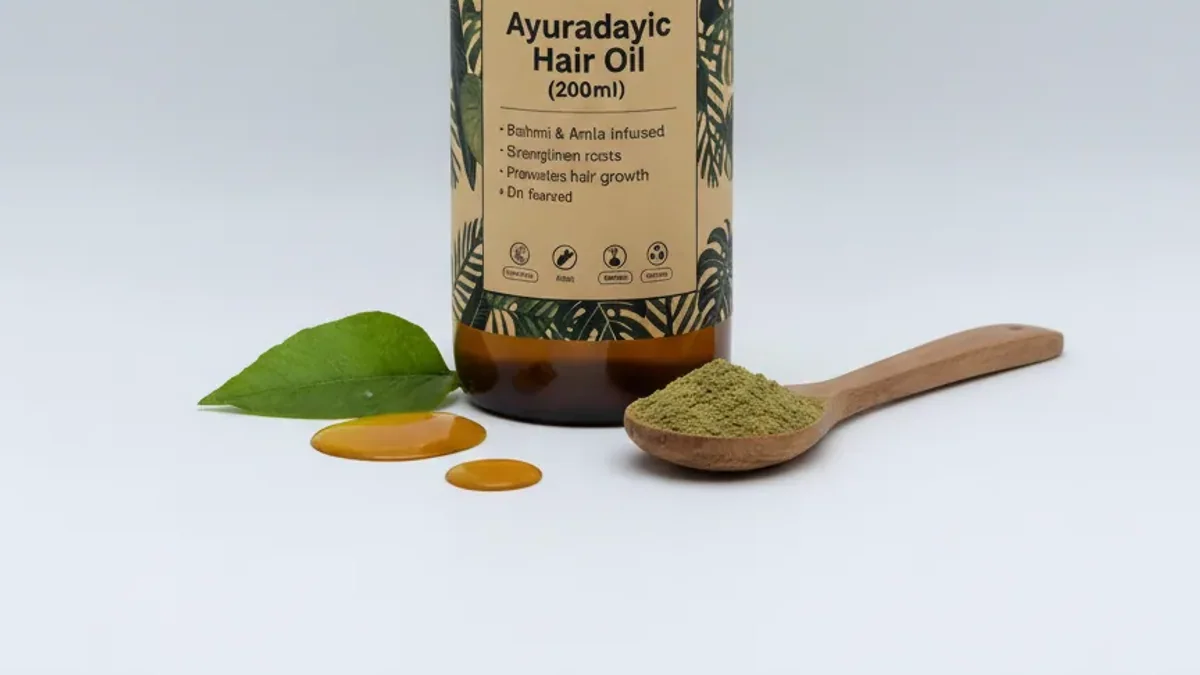
Quick answer: Neem has established horticultural uses and a long traditional history, but swallowing neem oil can be dangerous, especially for children. Topical products can irritate skin, and clinical evidence for broad medical claims remains limited. Use garden products only according to their labels.
Traditional context
Azadirachta indica is used across household, agricultural and Ayurvedic traditions. Those uses involve different plant parts and preparations and should not be collapsed into one “neem is good for everything” message.
What the evidence can and cannot say
- Pesticidal activity does not prove safety or efficacy as an internal medicine.
- Human clinical evidence is much narrower than online benefit lists.
- Dose, plant part and preparation determine risk.
Safety and contraindications
- Never ingest horticultural neem oil.
- Keep neem products away from children and pets.
- Patch-test cosmetic products and seek advice during pregnancy or chronic illness.
Growing the plant responsibly
- Neem is a sun-loving tree, not a permanent tabletop plant.
- Plan for mature size and local planting rules.
- Use nursery stock with verified identity.
Frequently asked questions
Can neem oil be swallowed?
No horticultural neem oil should be ingested. Poisoning has been reported.
Is neem safe on skin?
Diluted formulated products may still irritate; patch-test and follow labels.
Can a neem tree grow on a balcony?
Only temporarily; it ultimately requires substantial outdoor space.
Sources and further reading
Grow, do not overclaim: Explore the Ayurvedic herb garden collection.
Recommended for this guide
Hand-picked essentials matched to this guide, delivered with soil-fit care support.

Low-Tech Aquarium Plant Trio

Brahmi Herb Garden Starter Kit

Beginner Pothos + Soil Starter Kit
Keep reading
Related plant guides
Planted Tank Secrets: How Snails Save Your Aquatic Plants from Melting
When new aquatic plants melt, amateur hobbyists panic. Discover how Ramshorn and Nerite snails act as natural biological filters to salvage your aquascape.
Ayurvedic Biophilia: How Growing Tulsi and Brahmi Alters Your Indoor Micro-Climate
Holy Basil (Tulsi) and Indian Pennywort (Brahmi) are more than therapeutic herbs. Explore the science behind their biophilic volatile compound emissions.
The Nitrogen Lie: Why Synthetic NPK is Slowly Poisoning Your Living Soil
Synthetic chemical fertilizer gives a fast green burst but leaves your soil sterile. Read how to save your soil food web using natural leaf compost and microbia